01
Choreographed movement
Panel motion is programmed against the content timeline for launches and live shows.
Creative Display
Motorised LED panels that move, rotate or open during playback for stage and launch moments.
P1.5–P2.5
Pixel pitch
5,000 nits
Brightness
>7680Hz
Refresh rate
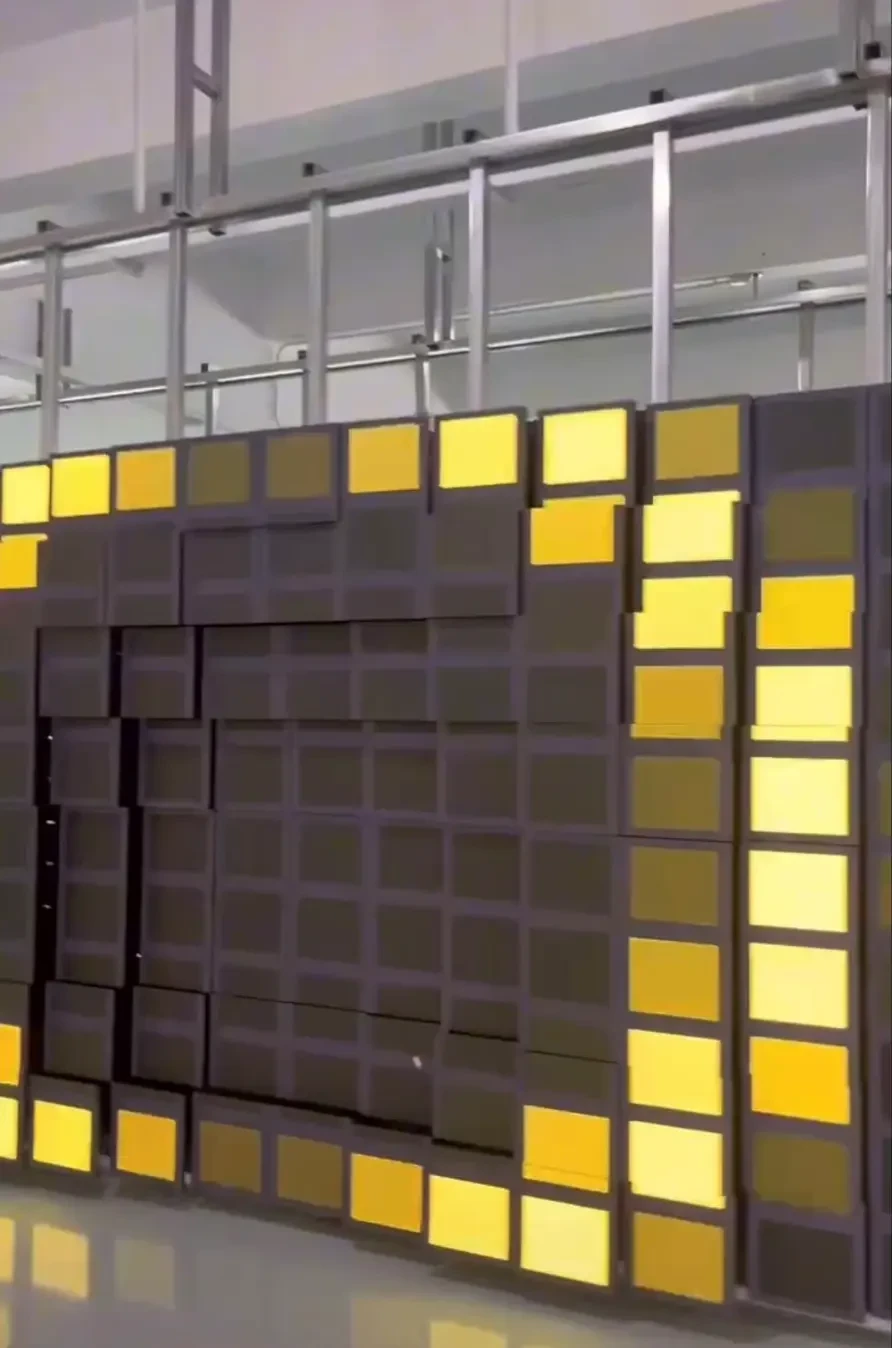
The mechanical screen is a stage machine as much as a display: panels run on tracks or hinges and are choreographed with content. Each project is engineered around the venue, truss capacity and the movement sequence required.
Every unit is assembled and tested in Shenzhen before packing. Cabinet drawings, pixel map and control-system settings are supplied with the shipment, so the configuration on site matches the quotation.
Specifications
Engineering decisions behind Mechanical LED Screen, and what they change on site.
Panel motion is programmed against the content timeline for launches and live shows.
Track, hinge and motor specification is calculated for panel weight and dynamic load.
Cable management and service positions are designed so maintenance does not require dismantling the rig.
Mechanical LED Screen
Mechanical LED Screen is engineered around the site rather than a standard cabinet grid. The structure, module layout and mounting points are produced from a drawing that fixes the shape, viewing direction and access route.
A steel or aluminium frame carries the display and transfers wind and self-weight to the building or foundation. The section is selected from the installation height and site load.
Modules are arranged to the drawing, with cut modules and edge details planned so the visible shape matches the design.
Power supplies and receiving cards sit in a protected enclosure with a service route that does not disturb the visible surface.
Base plate, wall bracket or suspension points are detailed for the actual structure, including access for adjustment after installation.
The decisions that affect how Mechanical LED Screen looks, installs and stays serviceable on site.
The display is not forced into a rectangular cabinet grid. The outline, radius and edge treatment follow the approved drawing.
Module orientation and brightness are set for the direction people actually approach the installation.
A pixel map is supplied so artwork can be produced for the exact shape without stretching or guessing the active area.
Access panels and removable modules are planned before fabrication, so maintenance does not require dismantling the artwork.
Service is planned before the wall is built. Modules, cards and power supplies are replaced from the access direction agreed on the drawing.
Service panels are located on the least visible face. Modules and electronics are reached without removing the whole installation.
Replacement modules are supplied to the project drawing. The pixel map identifies the exact position for the replacement.
Outdoor and pole-mounted units include a fixing and structure inspection schedule in the handover pack.
Product credibility
Mechanical LED Screen is built on the same production line as our project walls. Cabinets, modules and control settings are recorded per batch, and the documentation travels with the shipment so the site team is not working from memory.
ISO 9001
Factory process control
CE / RoHS / FCC
Product compliance
Batch tested
Aging and calibration record
2–3 years
Standard warranty
Mechanical display selection
A mechanical display is a moving structure with a display attached. Travel, speed, safety and content synchronization must be settled before the cabinet is specified.
Open, rotate or fold: each motion changes the frame, motor and safety envelope. The travel distance and repeatable positions are fixed on the concept drawing.
P1.5–P2.5 is typical for stage and retail reveals where the audience is close enough to read fine detail. The pitch is chosen for the final viewing distance, not the closed position.
Limit switches, emergency stop and a safe service position are part of the build. Maintenance access must remain possible in every parked position.
Deployment playbook
Mechanical displays are used where movement is part of the story, not as a decoration added after the screen is designed.
A wall opens to reveal a vehicle or product. The motion is cued to the video timeline and tested before the event.
P1.5–P2.5 · servo motion · show control
Moving scenery and LED surfaces change the stage picture. Repeatable positions and a safe emergency stop are essential.
P1.5–P2.5 · DMX / Art-Net · e-stop
A kinetic window changes form through the day. The mechanism is enclosed and service access is hidden from the street.
P1.5–P2.5 · indoor frame · scheduled motion
Delivery control
The mechanism is assembled and tested before shipment. The control sequence, safety limits and service positions are recorded for commissioning.
Handover pack
Cabinet layout, control points, power distribution and the service direction are fixed before materials are cut. The approved drawing becomes the reference for every later check.
LED modules, driver ICs and power supplies are drawn from the same production batch where the order size allows, then labelled by cabinet position.
Assembled cabinets run through an aging cycle and white-balance calibration. Faults found at this stage are corrected before packing, not after arrival.
Cabinets are packed against the transport method and site access. The handover pack includes the motion sequence, safety checklist and commissioning guide.
Buyer questions
These are the points that most often change the specification after the first enquiry. If your question is not here, send it with the site details.
Ask an engineerThe motion controller is integrated with the show control or media server. Cue points are tested in the factory and documented for commissioning.
Limit switches, emergency stop and a safe service position are part of the standard build. The final safety envelope is confirmed with the site and local requirements.
Yes, with a sealed frame and weather-rated mechanism. The exposure, maintenance intervals and safety plan are reviewed for the site.
Service positions are defined in the control sequence so modules and mechanisms remain reachable. A maintenance schedule is included in the handover pack.
Next step
Use the application guide and project references to review motion, safety and content synchronization.
See how this series is specified against viewing distance, room light and installation constraints.
Open application guideReview project types, cabinet formats and the delivery scope used on comparable installations.
View case studiesRequest the current specification sheet, cabinet drawing and control compatibility list.
Open downloadsSend the wall size, viewing distance and site photos. We reply with a configuration and quotation.
Request a quote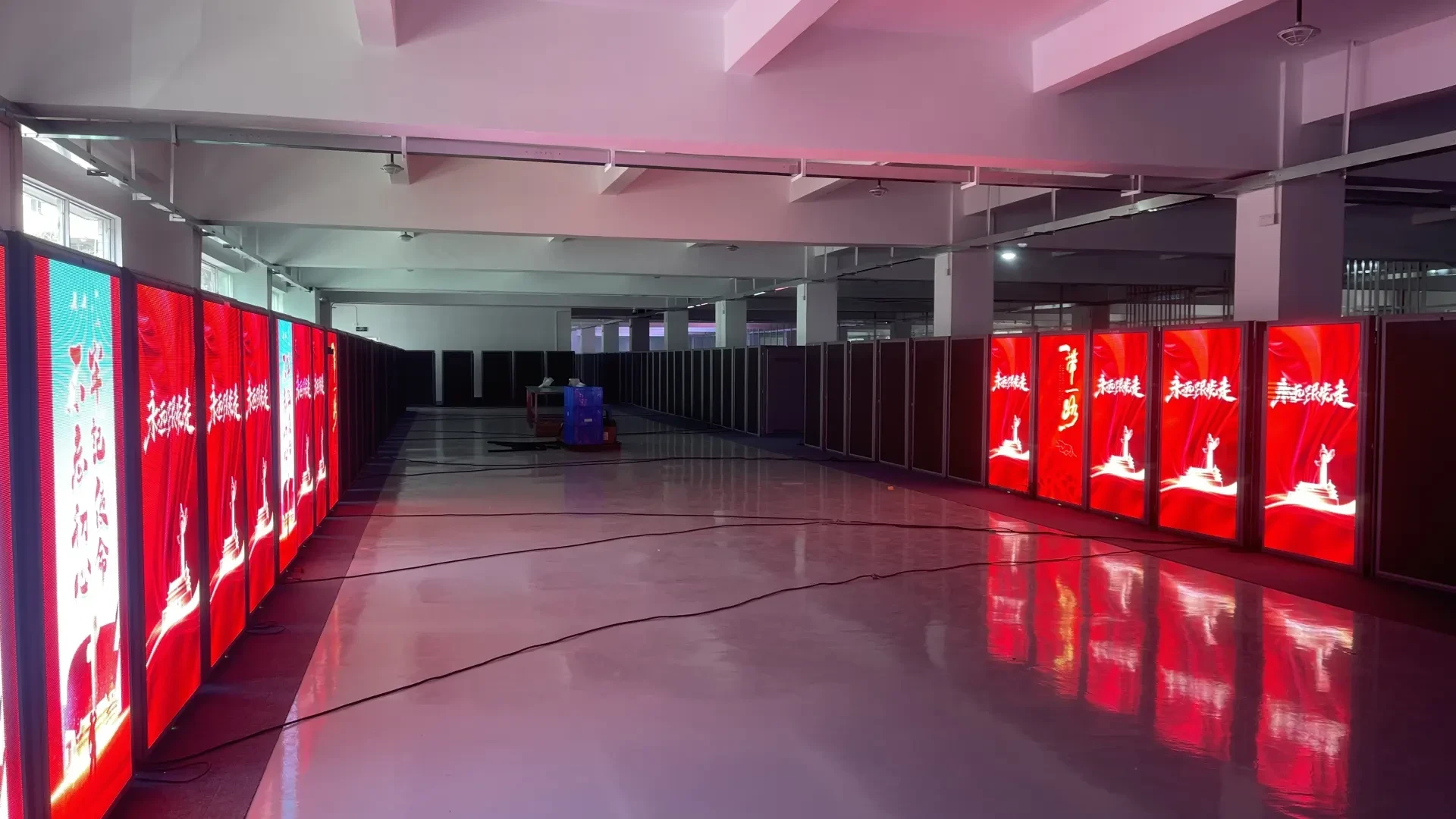
Light Pole LED Screen
P1.86–P3.846 · 5,500 nits
Custom cylindrical cabinet
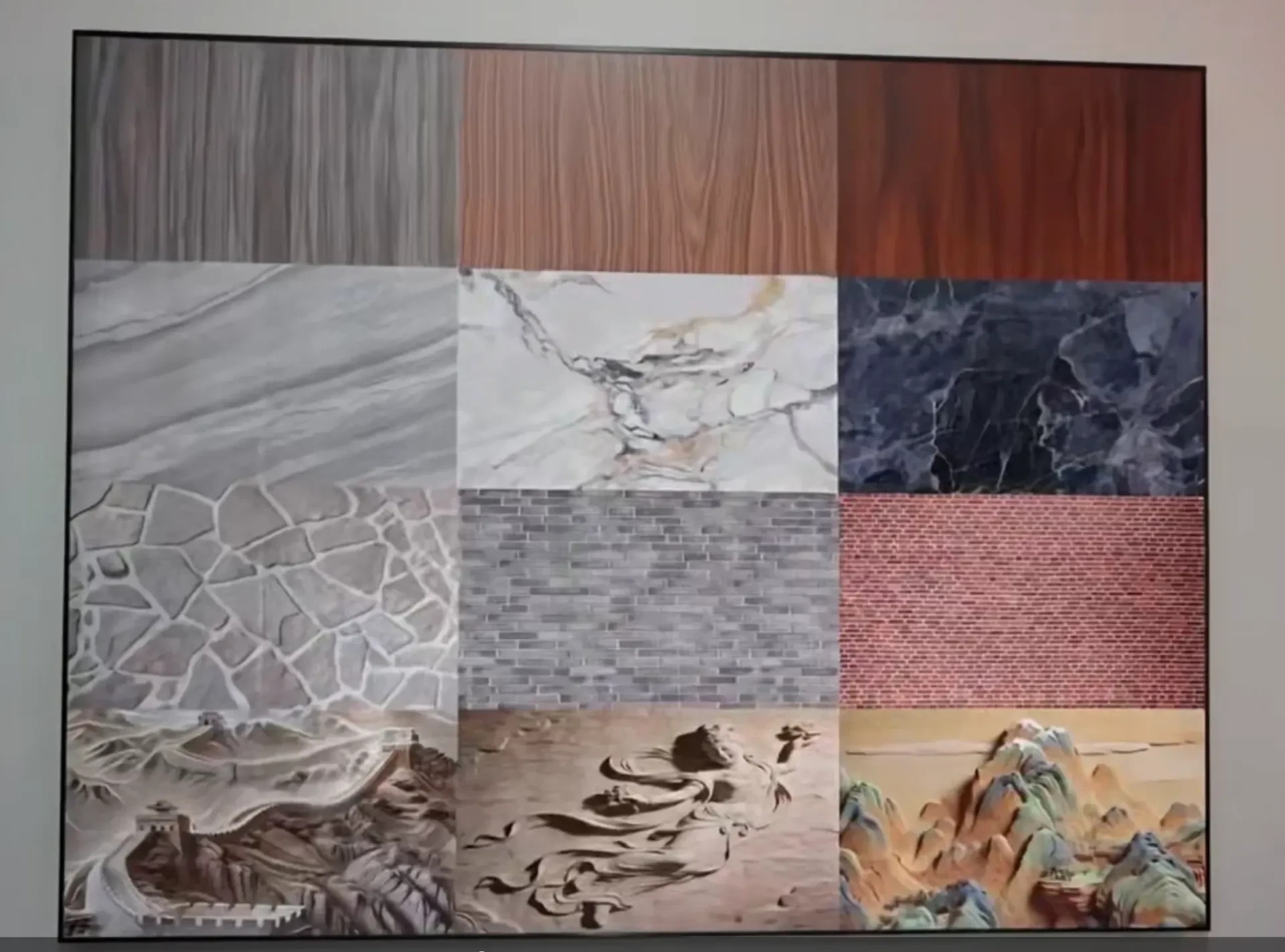
Art Frame LED Screen
P1.5–P2.5 · 600 nits
300 × 300mm framed unit
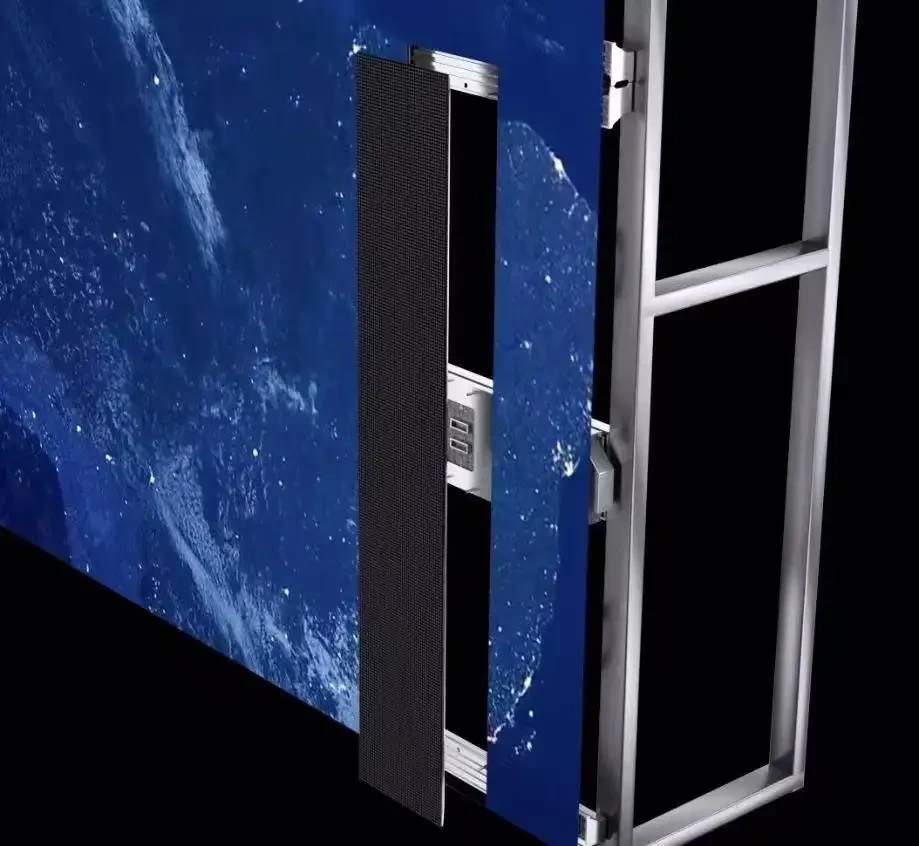
Poster LED Display
P2.5–P3 · 1,000 nits
640 × 1920mm poster frame
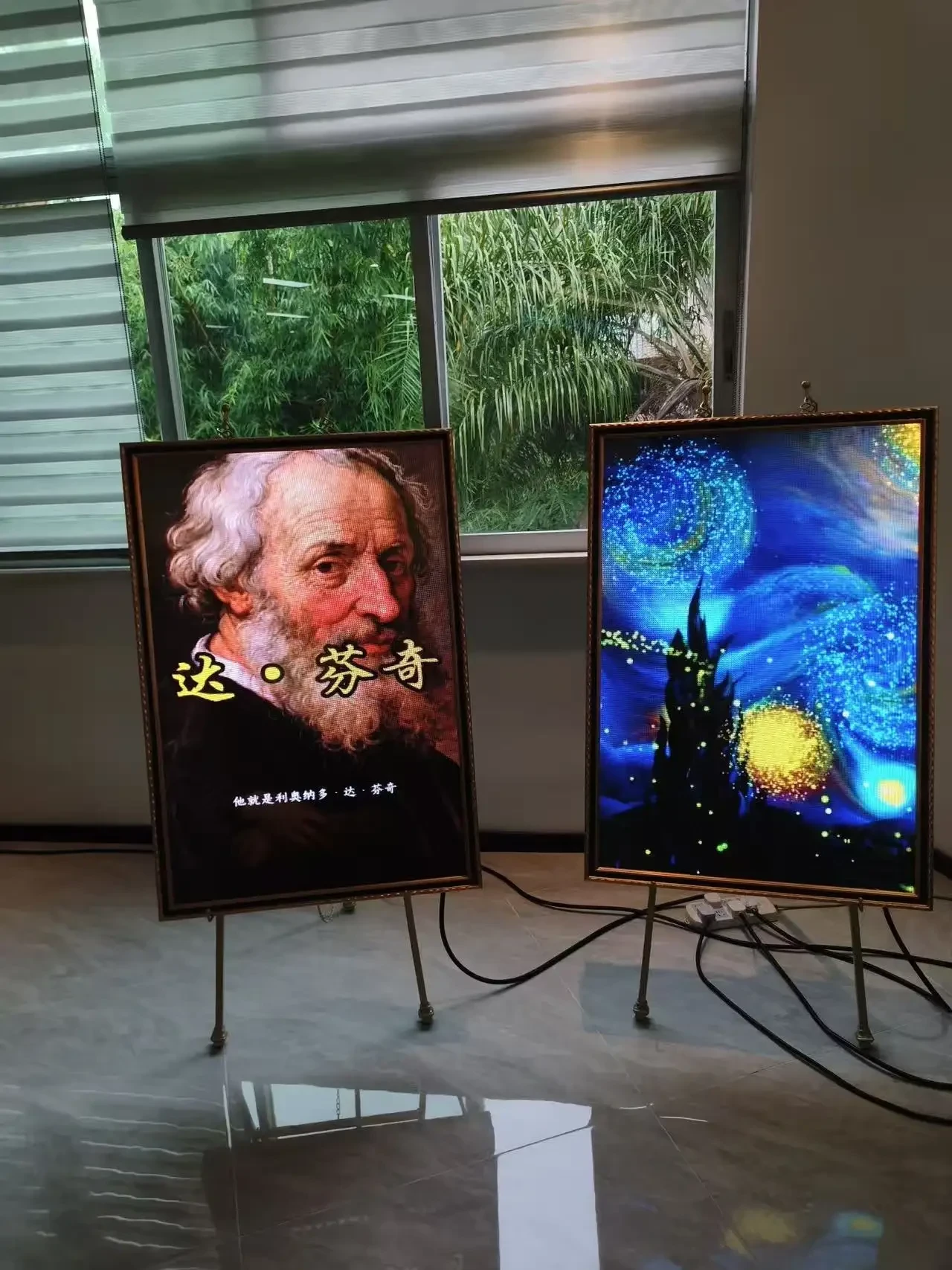
Wave LED Screen
P2.5–P4 · 3,000 nits
Flexible module on formed frame

Spherical LED P2.5
2.5mm · 1,000 nits
Sphere, 0.5–2m diameter

Spherical LED P3
3mm · 1,200 nits
Sphere, 0.8–3m diameter

Spherical LED P4 Outdoor
4mm · 5,000 nits
Sphere, 1–3m diameter, IP65
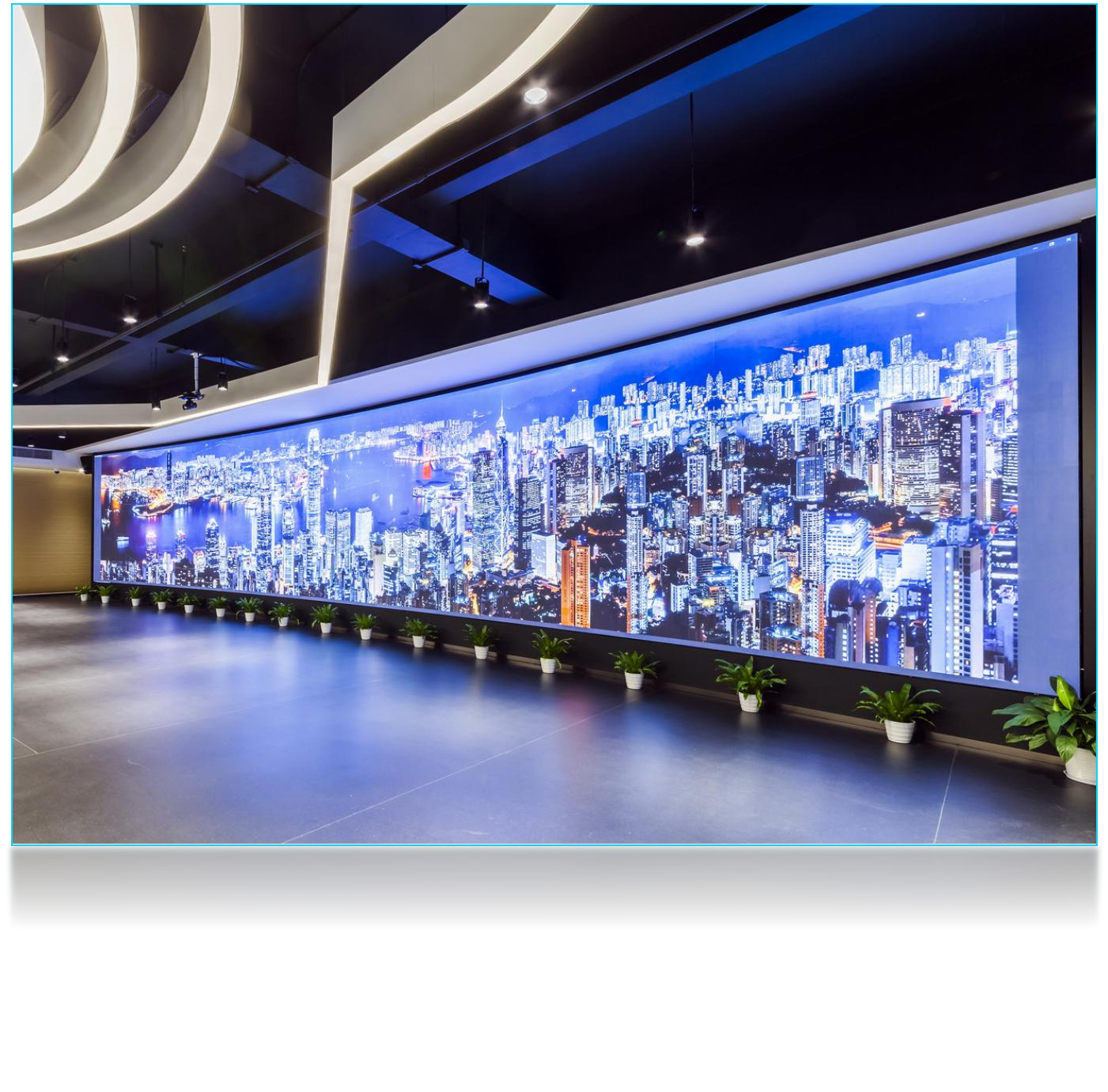
Cylinder LED P2.5
2.5mm · 1,000 nits
Cylinder, 0.5–2m diameter
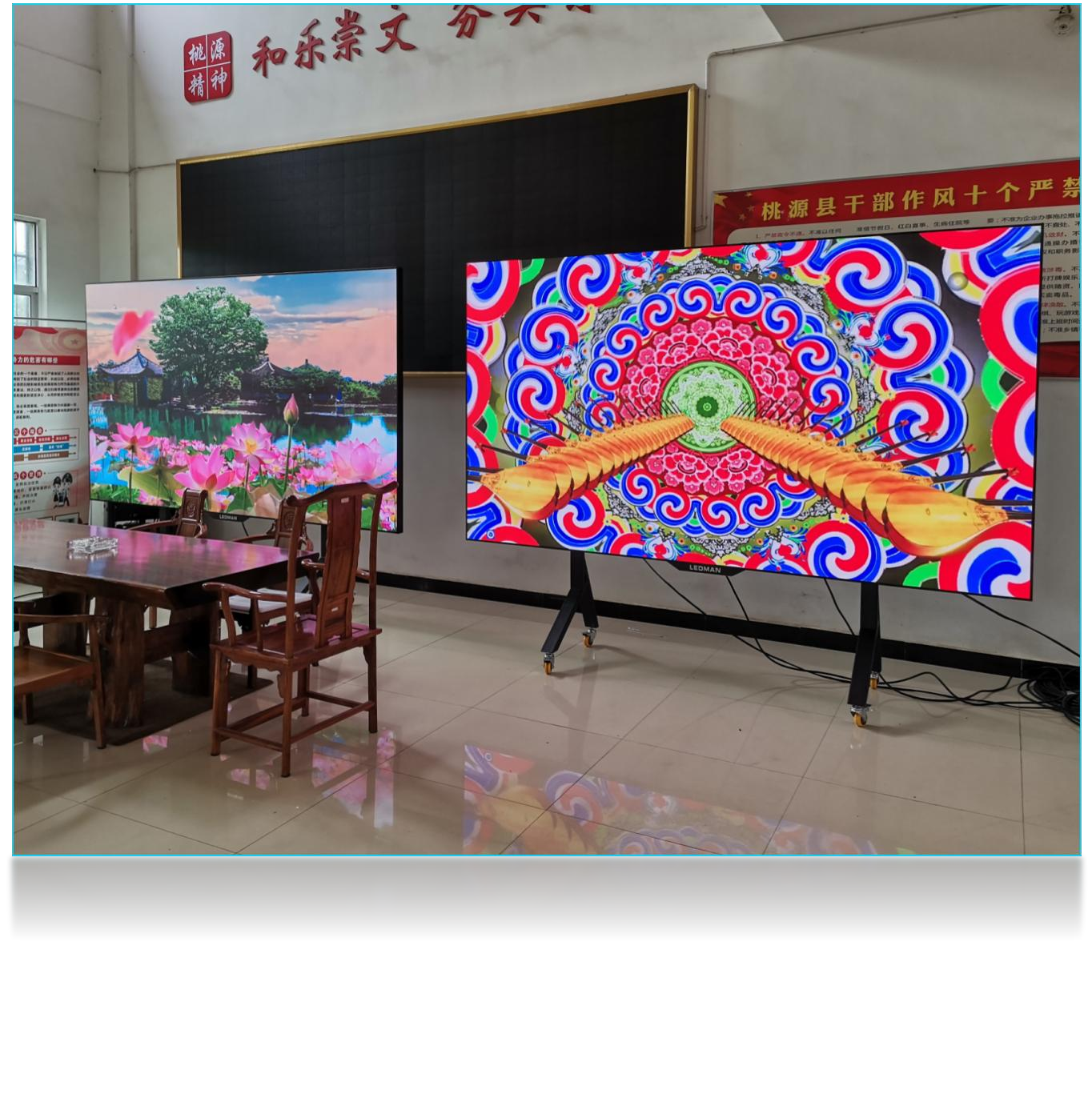
Cylinder LED P3
3mm · 1,200 nits
Cylinder, 0.8–3m diameter

Cylinder LED P4 Outdoor
4mm · 5,000 nits
Cylinder, 1–4m diameter, IP65

Cylinder LED P5 Outdoor
5mm · 5,500 nits
Cylinder, 1–5m diameter, IP65
Send viewing distance, wall size and installation type. We reply with cabinet quantity, control layout and a quotation within 24 business hours.